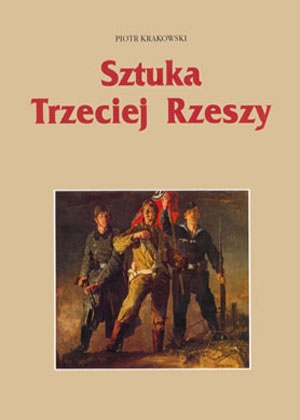
Sztuka Trzeciej Rzeszy
2002
Pierwsza polska książka gruntownie i fachowo charakteryzująca sztukę niemiecką po przewrocie hitlerowskim. Autor - profesor UJ, wybitny znawca sztuki współczesnej - zajmuje się architekturą rzeźbą, malarstwem i plakatem politycznym, prezentując najbardziej znane i charakterystyczne dzieła tego okresu oraz czołowych ich twórców. Powstanie takiej książki, spojrzenie na sztukę niemiecką tamtego czasu oczyma Polaka i potraktowanie jej jako swoistego ostrzeżenia, są uzasadnione chociażby z uwagi na duże zbieżności z tym, co działo się w zakresie sztuki w krajach obozu socjalistycznego.
Sytuacja po przegranej wojnie w Niemczech w 1918 roku miała charakter szczególny. Gwałtowny rozwój sztuki europejskiej, a więc także niemieckiej, około roku 1910, zwłaszcza sztuk plastycznych, muzyki i literatury, natrafił w Niemczech na publiczność w znacznej mierze zachowawczą, ukierunkowaną tradycyjnie. Owa publiczność nie tylko w swojej przeważającej części nie była przygotowana do odbioru sztuki nowoczesnej, ale w wyniku wojny, a potem rewolucji, poddała się zdecydowanie regresowi, wyraźnemu cofnięciu. Artystyczną modernę utożsamiano tu z negatywnie ocenianymi zmianami politycznymi, gospodarczymi i społecznymi. W roku 1919 powstała Republika Weimarska. Dnia 11 sierpnia 1919 Zgromadzenie Narodowe uchwaliło w Weimarze nową konstytucję, ustanawiającą republikę burżuazyjną zamiast zniesionej monarchii. Pojawiły się zatem nowe formy rządzenia – formy demokratyczne, które niosły ze sobą dość istotne przemiany społeczne, m.in. tworzenie się silnej i politycznie aktywnej warstwy średniej, równocześnie jednak niedokształconej artystycznie i artystycznie niedoinformowanej. To ona właśnie stanowiła potencjalną publiczność artystyczną, która wnet będzie narzucać ogólny ton i poziom sztuce. Ten rodzaj odbiorców stał się w przyszłości bardzo podatny na wpływ narodowosocjalistycznej propagandy w sztuce.
Tymczasem w ramach tzw. sztuki wysokiej, funkcjonującej w obrębie elity artystycznej, rozwijały się nadal różne nowatorskie tendencje i kierunki: ekspresjonizm, dadaizm, abstrakcjonizm, działalność – bardzo wszechstronna – „Bauhausu”, „Nowa Rzeczowość” i inne. W większości przypadków nowatorstwo artystyczne łączyło się z radykalizmem społeczno-politycznym. Z drugiej strony, w okresie Republiki Weimarskiej obserwować można niepohamowaną komercjalizację życia publicznego, a co za tym idzie – także sztuki. Rysuje się silnie proces ogólnej laicyzacji sztuki i podporządkowania jej prawom rynku. Sztuka staje się przede wszystkim towarem, artysta zaś pozornie tylko twórcą „wyklętym”. Społeczeństwo dyktuje zasady konkurencji i ewentualnego sukcesu wyłącznie w kategoriach powszechnej komercjalizacji. Dominuje formuła „laissez-faire”, zasada pełnego liberalizmu. Stąd też bierze się w Niemczech w latach dwudziestych przeświadczenie (przynajmniej w niektórych kręgach) o kryzysie kultury i o kryzysie sztuki, w znacznej mierze nawiązujące do Spenglerowskiego nastroju upadku i schyłku.
Pisząc w latach dwudziestych o powszechnym kryzysie pojęć nauki, sztuki i religii profesor Othmar Spann, jeden z prekursorów ideologii nazistowskiej, biadał, że sytuacja „w całej sztuce jest […] całkowicie beznadziejna. Gdy myślimy o dadaizmie, futuryzmie czy atonalizmie itd., gdy myślimy o rozwoju kina, rozwoju rewii itd., widzimy, że […] wszystko znajduje się w okropnym stanie [im argen liegt]”. Dla wiedeńskiego profesora ów ogólny kryzys kultury stanowił konsekwencję kryzysu społecznego, przy czym jedyną szansę sanacji kultury upatrywał w wydatnej pomocy państwa posiadającego duży autorytet. Należało przywrócić kulturze jej historyczną rolę: kierowniczą i ustanawiającą zarazem, rolę przywódczą w zakresie wychowania.
To demokracja, zdaniem Spanna, ponosi winę za autentyczny „upadek kultury” (Ruin der Kultur) i to z jej powodu dzieją się rzeczy okropne: każdy może dowolnie sobie poczynać, każdy może kulturze przewodzić. Sytuację zdoła uratować jedynie przywrócenie autorytetu i znaczenia państwu, nawet „ogniem i mieczem”. Jest to ratunek przed mroczną przepaścią, na której skraju znalazł się naród i społeczeństwo niemieckie kryzysu kultury.
Przykład Spanna, ale także innych przedstawicieli niemieckiej inteligencji, świadczy o aktywnej roli, jaką odegrali naukowcy, artyści, pisarze – słowem: elita społeczna Niemiec – we współpropagowaniu, akceptowaniu określonych poglądów antycypujących program postulowany przez nazistów. Podkreślenie to jest ważne, gdyż w potocznym przeświadczeniu narodowy socjalizm opierał się głównie na warstwie drobnomieszczańskiej i chłopskiej. Tego rodzaju pogląd zawiera tylko pół prawdy gotowość do aktywnego udziału inteligencji daje się bowiem zauważyć już w latach dwudziestych.