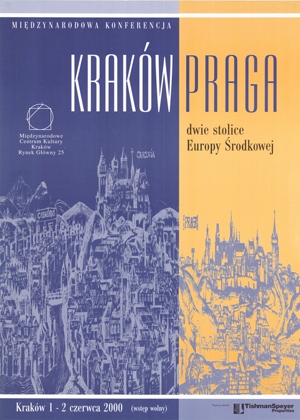
Kraków i Praga – dwie stolice Europy Środkowej
01.06.2000 - 02.06.2000
Konferencja łączyła dwa wątki działalności Międzynarodowego Centrum Kultury – była kolejnym spotkaniem w ramach cyklu poświęconego relacji pomiędzy Polską a innymi narodami Europy Środkowej, a równocześnie stanowiła kontynuację badań nad dziedzictwem i historią ośrodków miejskich regionu. Celem uczestników konferencji było ukazanie fenomenu dwóch środkowoeuropejskich metropolii oraz wydobycie kluczowej roli obu miast w tworzeniu kultury Polski i Czech, a zarazem w rozwoju cywilizacji europejskiej. Do udziału zostali zaproszeni specjaliści – historycy, historycy sztuki i ekonomiści – z Czech, Polski, Austrii i Niemiec, reprezentujący m. in. Czeską Akademię Nauk, Uniwersytet im. Karola w Pradze oraz Uniwersytet Jagielloński.
Zdjęcia z konferencji
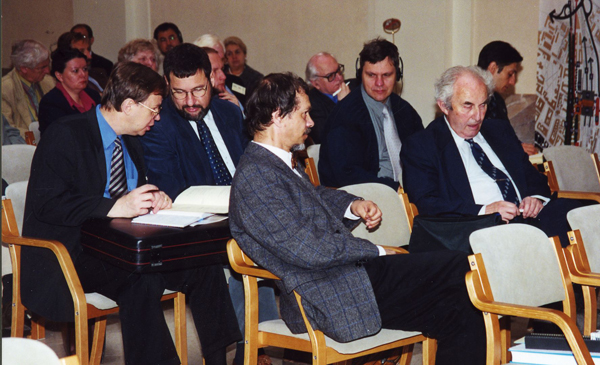
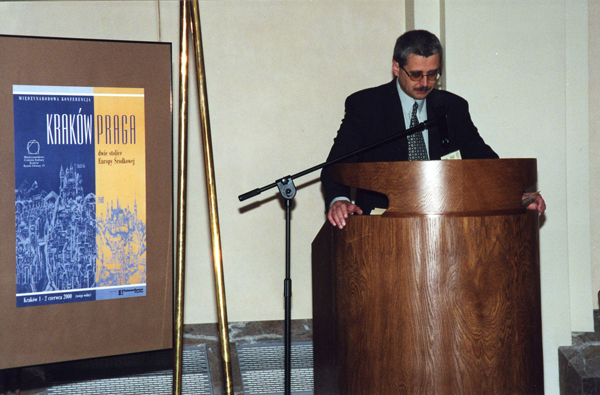
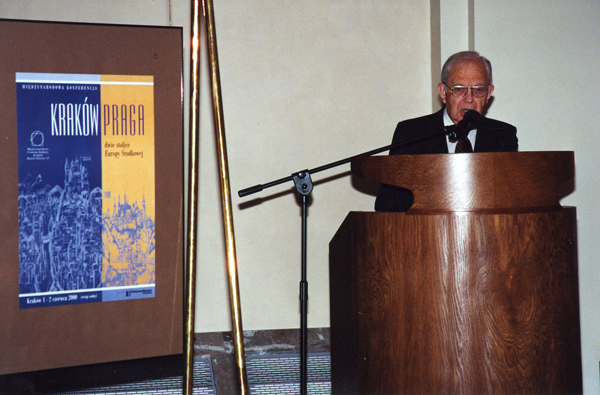
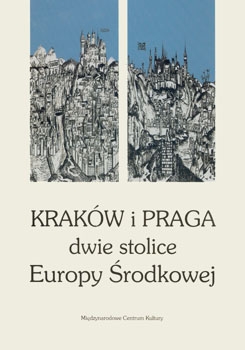
Kraków i Praga – dwie stolice Europy Środkowej
Praca zbiorowa; Jacek Purchla (red.)
Zarówno Kraków jak i Praga są odciśniętym w kamieniu obrazem cywilizacji Europy Środkowej. Zmieniające się na przestrzeni dziejów relacje obu miast dostarczają materiału do szerszej refleksji nad kulturową, polityczna i społeczno-ekonomiczną złożonością ponadtysiącletniego trwania Czech i Polski w Europie.
Spis treści
Jacek Purchla, Kraków i Praga – dwie stolice Europy ŚrodkowejJerzy Wyrozumski, Miejsce Krakowa w średniowiecznej Europie
Jiří Pešek, Praga jako metropolia średniowiecznej Europy Środkowej
Adam Małkiewicz, Krakowski zespół miejski w XVI wieku
Jaroslav Pánek, Praga w okresie odrodzenia
Leszek Belzyt, Kraków i Praga około 1600 r. jako dwie metropolie wczesnonowożytne Europy Środkowowschodniej
Adam Miłobędzki, Kraków i Praga – dwa centra architektury barokowej
Jiří Mikulec, Praga w okresie kontrreformacji i władzy absolutnej (1620–1740)
Roman Prahl, Praga 1780–1830. Sztuka i miasto
Mirosław Frančić, Kraków oświecenia i pierwszej połowy XIX wieku
Jan Havránek, Żydzi pośród Czechów i Niemców w Pradze
Jacek Purchla, Kraków około 1900 roku
Jiří Pešek, Praga i przedmieścia. Dzieje kształtowania się nowoczesnej metropolii
Antonín Měšťan, Polacy w Pradze XIX wieku
Alois Woldan, Praga – Kraków – Wiedeń. Stosunki międzykulturowe w okresie modernizmu w Europie Środkowej
Miroslav Baše, Urbanistyka i architektura Pragi w XX wieku
Kazimierz Trafas, Przeobrażenia funkcjonalno-przestrzenne Krakowa w XX wieku
Milan Turba, Koncepcje rozwoju Pragi – strategia na XXI wiek
Krzysztof Görlich, Rozwój strategiczny Krakowa w końcu XX wieku